






DeFi
2026/03/06Hyperliquid上のシルバー先物価格が急落|大幅な価格乖離が発生
3月6日朝8時頃、分散型永久先物取引所Hyperliquid上の銀(Silver)先物価格が77ドル付近まで急落しました。同時刻のXAG/USD(銀の現物価格)は83ドル付近を推移しており、約6ドルの大幅な乖離が生じたことになります。 Hyperliquidにおける銀先物の価格メカニズムは、Pyth Networkが提供するXAG/USDオラクルを基盤としています。今回の価格乖離については、昨今の中東情勢の緊張を背景に貴金属市場の閉場中におけるオラクルの価格更新に誤差が生じた可能性が指摘されています。 Hyperliquidは分散型永久先物取引所(Perp DEX)として取引高No.1の地位を確立しており、同プラットフォームではBTC、ETHに次いでシルバーが3番目に多い取引ボリュームを記録しています。伝統的な商品先物がDeFi上でも大きな存在感を示す一方でオラクルに依存した価格メカニズムの課題が改めて浮き彫りとなった格好です。
ニュース
2026/03/06トランプ政権、ケビン・ウォーシュ氏を次期FRB議長に正式指名
米ホワイトハウスは元FRB理事のケビン・ウォーシュ(Kevin Warsh)氏を次期FRB議長に指名し、その人事案を上院に送付したと発表しました。ホワイトハウスが公表した指名書類によるとウォーシュ氏は4年のFRB議長職に加え、2026年2月1日を起算日とする14年のFRB理事職にも指名されています。上院で承認されれば5月にFRB議長としての任期満了を迎えるジェローム・パウエル氏の後任として就任する見通しです。なお、報道ベースではパウエル氏は議長職の任期終了後も理事として残る可能性があります。 トランプ大統領は1月30日にウォーシュ氏を次期FRB議長に起用する方針を公表しており、正式な上院送付はそれから約1か月後となりました。候補者としてはホワイトハウス国家経済会議(NEC)ディレクターのケビン・ハセット氏や、ブラックロックのリック・リーダー氏らの名前も報じられていましたが最終的にウォーシュ氏が選ばれました。ホワイトハウス公表文ではトランプ大統領はハセット氏について、政権内で重要な役割を果たしていると評価しています。 ウォーシュ氏は2006年から2011年までFRB理事を務め、2008年の世界金融危機時には、FRBと金融市場の間をつなぐ役割を担った人物として知られています。その後はスタンフォード大学フーバー研究所で経済分野の客員フェローとして活動し、金融政策に関する発信を続けてきました。過去にはインフレリスクへの警戒感が強い人物としてみられていましたが、足元ではAIによる生産性向上がディスインフレ要因になり得るとの見方も示しています。ただし、ウォーシュ氏を単純なハト派とみるのは適切ではなく、報道では利下げに比較的前向きな一方で、FRBのバランスシート縮小を重視する可能性も指摘されています。 もっとも、承認プロセスが円滑に進むとは限りません。上院銀行委員会に所属する共和党のThom Tillis議員は、パウエル氏を巡る司法省の捜査が解決するまで、FRB議長職を含むFRB人事の承認に反対する考えを示しています。Reutersによると、パウエル氏は1月、FRB本部改修工事に関する過去の上院証言を巡って司法省から召喚状を受けたと明らかにしており、これに対して政治的圧力を強めるための動きだと反論しています。 仮想通貨市場にとっても、FRB議長の交代は重要なイベントです。ウォーシュ氏は近年のインタビューでビットコインを金融政策のシグナルとして一定程度評価する趣旨の発言をしており、フーバー研究所のインタビューでもビットコインは政策当局にとって示唆を与える資産だと述べています。 一方でビットコインやデジタル資産全般を無条件に支持しているわけではなく、関連技術やその周辺にある資産については慎重な見方も示しています。そのため、同氏を一方的な「仮想通貨支持派」と位置づけるのは正確ではありません。FRBの金融政策はリスク資産全般の流動性や投資家心理に強く影響するためウォーシュ氏の下で利下げやバランスシート政策がどの方向に進むかは暗号資産市場にとっても重要な論点となります。 記事ソース:whitehouse.gov

ニュース
2026/03/06ロシア、ステーブルコインに独自規制へ
ロシア財務省はステーブルコインを対象とした独立した法案の策定を検討していることを明らかにしました。同省金融政策局のアレクセイ・ヤコブレフ局長はステーブルコインには「莫大な、いや計り知れないほどの潜在性がある」と述べており、ロシアが暗号資産分野における規制整備を本格的に加速させている姿勢が鮮明になっています。 財務省が独立した法案にこだわる背景にはステーブルコインを既存の暗号資産取引所法とは切り離して規制したいという意向があります。 まず今春の国家院(ドゥーマ)会期中に無許可プラットフォームでの暗号資産取引を禁じる主要な暗号資産法が審議される見通しで早ければ7月1日の施行が想定されています。ヤコブレフ氏は「主要規制を導入した後、ステーブルコインを独立した形で規制できるようになる」と語りました。 ロシアにとってステーブルコインは単なる金融商品にとどまらず、制裁回避のための実用的なツールとして位置づけられています。中央銀行はすでに「外国デジタル権」という承認カテゴリーを設け一定の条件を満たすステーブルコインを国境を越えた決済に使用できるとしています。 現行のロシア法ではステーブルコインに法的地位が与えられておらず、財務省はこの状況を早急に改めたいとしています。「現時点ではステーブルコインはデジタル通貨の一形態に近いという認識が共通している」としつつも、中央銀行や市場関係者との議論を継続する方針を示しています。 記事ソース:dlnews.com
ニュース
2026/03/06SEC、トロンのジャスティン・サン氏への訴訟を取り下げ
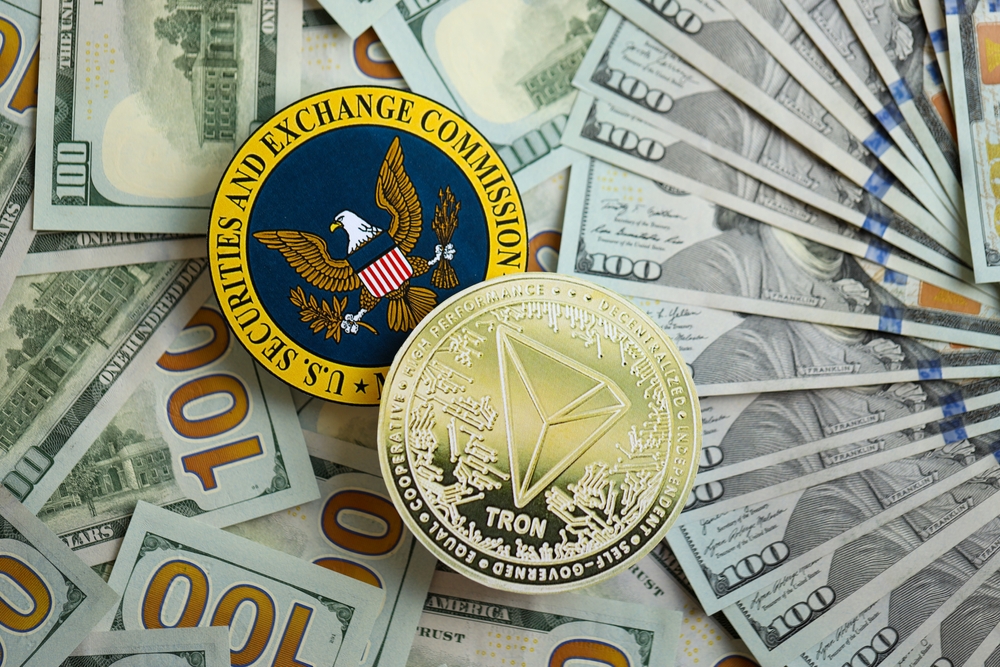
米証券取引委員会(SEC)は5日、仮想通貨大手トロン(TRON)の創設者ジャスティン・サン氏に対して提起していた民事詐欺訴訟を取り下げました。サン氏はトランプ大統領の関連仮想通貨プロジェクトへの大口投資家として知られており、今回の決着は暗号資産業界に対するトランプ政権の姿勢を象徴する出来事として注目を集めています。 同氏は今回の決定に対して「今後も米国および世界におけるイノベーションの加速に注力し、SECと連携して仮想通貨に関するガイダンスと規制の策定を進めていく」とコメントしています。 I am very pleased to confirm that the SEC has moved to dismiss all claims against me, Tron Foundation, and BitTorrent Foundation. Today’s resolution brings closure, but I never stopped building. I will continue to focus on accelerating innovation in the United States and around… — H.E. Justin Sun 👨🚀 🌞 (@justinsuntron) March 5, 2026 SECは2023年、サン氏および関連企業がTRXトークンの取引量を人為的に操作したとして訴訟を提起していました。自社従業員に同トークンの売買を繰り返させる「ウォッシュトレーディング」により、流動性や人気を実態より高く見せかけ、サン氏自身がトークンを有利な条件で売り抜けることを可能にしたとされていました。 今回の和解ではサン氏が支配するとされる企業が1,000万ドルの罰金を支払うことで合意しており、サン氏個人への訴えはすべて取り下げられました。なお同社は違法行為の有無について認否を示していません。和解には裁判所の承認が必要です。 訴訟は昨年2月からSECの申請により審理が停止されており、双方が水面下で交渉を続けていました。同時期にSECはコインベースやバイナンスなど大手仮想通貨企業に対する一連の訴訟も自主的に取り下げており、業界全体への姿勢が大きく転換したとみられています。 背景にはトランプ大統領の返り咲きによる規制環境の変化があるとされています。サン氏はトランプ一族が2024年に立ち上げた仮想通貨プロジェクト「ワールド・リバティ・ファイナンシャル」に少なくとも7,500万ドルを投じたほか、$TRUMPミームコインの大口保有者としてトランプ氏主催の夕食会にVIPゲストとして招かれていました。サン氏は自身の投資について政治的な意図はないと主張しています。
![[Crypto Times Exclusive Interview] From Movement Labs to Move Industries: The Full Picture of Organizational Reform, Move 2.0, and Market Access](https://crypto-times.jp/wp-content/uploads/2026/02/CEO-Torab-Torabi-Eng.png)
インタビュー
2026/03/05[Crypto Times Exclusive Interview] From Movement Labs to Move Industries: The Full Picture of Organizational Reform, Move 2.0, and Market Access
Movement is a Layer 1 blockchain project built with the Move language and has drawn significant attention as next-generation infrastructure. Shortly after last year’s ETHDenver, however, a market maker–related issue surfaced—forcing a major reset. In response, Torab Torabi, a founding team member and former Head of Business Development at Movement Labs, stepped in as CEO of Move Industries, the company building “The People’s Chain.” Over the past 10 months, the team has moved quickly to rebuild trust, advance its L1 roadmap “Move 2.0,” and expand access routes for $MOVE—through initiatives such as Aerodrome liquidity efforts and Coinbase’s “Blue Carpet” program. This was my third time meeting Torab, following KBW (Korea) and Token2049 (Singapore) last year. In Denver, I asked about the behind-the-scenes of the past 10 months and the vision he is building toward the end of 2026. Section 1. Leadership | Trust | Organizational Culture Henry: Thank you for taking the time today. It has been about 10 months since you became CEO. During this time, I believe it has been an extremely dense period, including the rebranding from Movement Labs to Move Industries, news related to Coinbase, and the establishment of a hub in Korea. What have you focused on the most in these 10 months? Also, if you had to name one point that improved, what would it be? Torabi: In the crypto industry today, trust is being demanded more than ever. But if there is no trust inside the company, you cannot earn trust from the outside. It may sound straightforward, but it is similar to the idea that "if you cannot love yourself, you cannot love others." So first, I poured my energy into building internal trust. We started by having team members talk honestly with each other and deeply share the vision. In an industry known for high turnover, our team has maintained an exceptionally low attrition rate; many of the original team members are still here. I think that is because they feel confident saying, "I trust the person next to me, and we can walk this path together." Leadership is not about giving orders. It is about creating a state where everyone is facing the same direction. My role is to check in, asking "How do you feel about where we are?" and "Are you convinced by the vision?" and to support people from there. Building an environment where every team member can say "I trust the person next to me, and I can work hard together with them" is what I am most proud of as a leader. Henry: That is wonderful. In this industry, staying in the same project for more than three years is extremely rare, and it is not uncommon for members to be replaced within one year. I myself have collaborated with many projects, and I feel the biggest bottleneck is “how intense the mobility of people is.” In the middle of a promotion, the person in charge may quit, handover may be insufficient, or a new Japan BD may be appointed and the policy changes, and then the initiative stalls, which happens often. In that context, being able to work with Joe for about two years is very reassuring. By the way, remote work is mainstream in this industry, but some projects struggle with miscommunication because of it. In team communication, do you place more importance on chat or calls? Torabi: About 25-30% of the team is based in the San Francisco Bay Area, and we meet face to face twice a week. With distributed team members, we have at least two sync meetings per week and always turn cameras on. Seeing each other's faces, even on a screen, matters more than people realize. We also have a weekly 30-minute cross-functional meeting where marketing, BD, and engineering share progress with each other. It prevents silos from forming and keeps the organization aligned as a whole. Section 2. The Difference Between a BD Perspective and a CEO Perspective Henry: Previously, as a BD lead, you mainly focused on outward facing activities, but now as CEO you are steering from the inside of the organization. With the change in position, how has your way of thinking changed? Also, among the decisions you made early on after taking the role, was there something you feel “determined the organization’s direction”? Torabi: The CEO role still has significant external responsibilities (investors, exchanges, and so on) but the biggest difference from my BD days is the responsibility to delegate. The most important early change was moving people into the right roles and aligning everyone toward the same direction. Appointing Joe Chen as Head of BD, and elevating other team members into positions of greater responsibility, was one of the clearest early decisions that set the tone. If I was moving up a layer as CEO, someone needed to properly own the role I used to play. My instinct was to manage details myself. But I held back, took a breath, and focused on trusting and entrusting. Even when someone does things differently than I would, decisive delegation can actually produce better results. I think about it like raising children. If you keep treating people as if they need to be managed, they stay dependent. But if you give them real responsibility and trust them as capable adults, they rise to meet it. That is what happened here, and it is one of the decisions I am most proud of. Section 3. Technical Direction | Move 2.0 and the Path to L1 Henry: Movement initially drew attention as an L2 (Layer 2), but now it is shifting toward L1 (Layer 1) as “Move 2.0.” Put simply, why was L1 judged to be the best choice? Also, what concrete benefits can users actually feel? Torabi: In one phrase: Our Movement M1 (Layer 1) Network is a better, cheaper, faster, and easier environment for builders. Infrastructure is like a garden. If no one plants seeds, nothing grows. We focused everything on preparing that soil in the best possible condition. The second reason is sovereignty. If you rely on external parties for the core of your technical stack, you lose control in moments that matter most. By becoming an L1, we put ourselves in a position where whatever comes up, we can solve it with our own hands. Looking at a 5 to 10 year horizon, that independence is essential. Henry: At this event as well, “AI agents” are being discussed everywhere. In recent hackathons, it seems cases of individuals participating rather than teams are increasing. How does Movement view this AI trend? Torabi: Our Head of DevRel, Rahat Chowdhury, is leading AI adoption internally. He has even updated his title to "The Emir of AI." Our stance is simple: we use AI to the fullest ourselves first. That is the starting point. At the hackathon happening downstairs today, almost every participant is building AI agents. We are not just chasing a trend. We are exploring how to implement AI responsibly on-chain. Specifically, before committing any funds, we require that AI models have been properly audited and tested in a production-like environment. Section 4. Technical Safety vs Focus on Product Henry: You often communicate about the safety of Move 2.0. Compared to existing EVM environments and other Move ecosystems such as Aptos and Sui, what are the specific strengths, such as verification at the compiler level? Torabi: Honestly, I am cautious about declaring "we are the safest;" it can invite the wrong kind of attention. That said, it is widely recognized in the industry that the Move language has inherent safety advantages over Solidity. But what matters more is when users and developers actually care about safety and the answer is usually after something goes wrong. Think about buying a car. No one chooses a car because of the seatbelt quality. They choose it for design, performance, and the feeling of driving it. Safety only becomes salient after an accident. Crypto works the same way. What builders and users genuinely care about more than safety in the abstract is distribution, ecosystem support, and the ability to raise funds. That is why our positioning is shifting from purely technical messaging to something more product-focused and community-first. We are building for the 99%, not the 1%. The question we lead with is not "are we safe?" but "what can you build here, and how far can it reach?" Section 5. Ecosystem and Tokenomics Henry: What do you think is currently driving the ecosystem? A specific app, category, or concrete use case? Torabi: Every chain needs core primitives: lending, DEXs, and so on. But our strategy is vertical integration. Rather than supporting three or four similar protocols in each category, we identify one that we believe in and concentrate our full support behind it. That is how value actually gets captured. To be honest, most DeFi projects outside of Solana and Ethereum are being kept alive purely by foundation incentives; they are not real businesses. Supporting four versions of the same thing is far less healthy than backing one real business with full conviction. Right now, payments and remittances is the area where we are seeing the strongest traction and where we see the biggest long-term opportunity. Movement is designed to be the yield engine powering payment corridors and neobanks. Partners like KAST have already demonstrated what is possible. We are also in active discussions with major global financial institutions about payments and remittances and the interest is strong. All the rumors are true. ͏ ͏ ͏ ͏ ͏ MOVE on KAST is GOATed. pic.twitter.com/zRGly4Jetw — The Movement (@movement_xyz) February 19, 2026 Henry: Recently, discussions about token unlocks and sell pressure have also been active. Regarding design to keep the ecosystem healthy in the long term while rewarding builders and long term holders, how are you thinking? Torabi: What is interesting is that most people ask about "long-term value" while simultaneously caring about today's price. Those are not the same thing. We have secure runway for several years, so we are not making decisions from a position of panic. We are playing a long game. Great projects are not built overnight. The market sometimes moves irrationally, but if you chase short-term prices, mistakes compound and eventually the project suffers for it. That is why we established the Move Alliance - a first-of-its-kind ecosystem flywheel that ties application teams directly to the success of the chain. Projects commit to allocating at least 50% of their protocol revenue to buying $MOVE and holding it in treasury, linking app performance to network health in a way that benefits builders, token holders, and the Movement ecosystem equally. If the chain fails, apps fail too - but it is equally unfair if the chain succeeds while apps capture none of that upside. The Move Alliance puts everyone on the same side. Everyone wins together, or we figure it out together. Introducing the Move Alliance This first-of-its-kind ecosystem flywheel fuses $MOVE buybacks with performance incentives that benefits the builders, the community, and the Movement network. Here's how the Alliance works: - Ecosystem companies commit a portion of their protocol… pic.twitter.com/RBHeAPFsos — The Movement (@movement_xyz) December 11, 2025 Henry: For you, Torabi, what does “long term” mean, specifically in terms of how many years? Torabi: My first milestone is five years, with a ten-year horizon beyond that. Compare where AI is today to where it was two years ago - everything has been rewritten at astonishing speed. I believe crypto will go through the same kind of transformation. We want to be positioned to lead it, not react to it. Section 6. Coinbase | Behind the Scenes of Availability via Aerodrome Henry: It was huge news for the Movement community that $MOVE became available again on Coinbase. Congratulations again. Especially including the route via a DEX (decentralized exchange), it felt like a strategic step. What kind of moves were behind the scenes? Torabi: Thank you. The context here is important. Coinbase launched a new listings support program called "Blue Carpet," a suite of services designed to help asset issuers navigate the listing process, including direct access to the listings team, asset page customization, and guidance through Coinbase's official evaluation process. We have been working through that channel toward a spot listing. In parallel, rather than simply waiting on that timeline, we pursued a second route to get $MOVE in front of Coinbase users more quickly. We provided liquidity on Aerodrome (a DEX on Base) and built the bridge from Movement to Base ourselves, rather than relying on external parties. We also deployed smart contracts using LayerZero and created the necessary pools. The result is that $MOVE is now accessible to Coinbase users through the Coinbase Retail DEX. MOVE IS BACK. Movement ($MOVE) is once again available to buy, sell, send, and receive for all Coinbase users through @AerodromeFi. pic.twitter.com/9OWKks7eXq — The Movement (@movement_xyz) February 16, 2026 Henry: Because of regulations, Japanese users cannot open accounts on Coinbase’s main service from within Japan, so this access via DEX is truly great news. With this as momentum, people will naturally hope for listings on Japanese CEX (centralized exchanges) as well. How about that? Torabi: We are paying close attention to the Japanese market. What would you recommend? Henry: I recommend OKJ (formerly OKCoin Japan). They make decisions very quickly and respond flexibly to new projects. Torabi: If you say so, let's do it. If you can make an introduction, we will start moving immediately. Please connect us. Section 7. The Korea Hub and the Vision for 2026 Henry: Last year, you established a hub in Korea. How is the progress now? Are you getting interest from major Korean game companies and major financial institutions? Torabi: For gaming specifically, I think full-scale expansion is still a bit early since our Korean Global Hub is still building its foundation. But the progress is real, and our conviction in the Korean market has not changed. What we are looking for now are strong corporate partners who can grow with us not just in name, but economically. As part of that, we have prepared two validator slots specifically to give back to the Korean community and build deeper ecosystem alignment. We want partners who share economic upside through validator operations, not just through a partnership announcement. We are taking the same approach to Japan, and I look forward to properly assessing strategic partners at WebX. Section 8. Transparency and Trust: Three Reforms Enforced as CEO, and the Vision for 2026 Henry: Thank you very much for answering so sincerely. This is the final section. To ensure “transparency” and “trust” as CEO, could you tell us the “three things” you specifically changed? Torabi: We needed a clean break from the past - structurally, not just symbolically. That meant establishing a new corporate entity and building a real governance foundation around it. The three reforms were: Corporate restructuring: We moved from Movement Labs to Move Industries (a completely new organizational entity, not a rebrand). Leadership renewal: We rebuilt decision-making processes and created a transparent leadership structure with clear accountability. Governance overhaul: We decentralized authority and introduced checks and balances that did not exist before. The practical effect is this: even if someone in leadership wanted to repeat the behavior that caused the original crisis, the current system makes it structurally impossible. Henry: That is thorough. Then, by the end of 2026, what kind of presence do you want Movement to be? Torabi: We want to be the world's number one payments and remittances chain - measured not by market cap or TVL, but by the number of real, unique users actively using Movement for payments and remittances every day. That is the metric that matters. It is the clearest proof that The People's Chain is delivering on its promise: real financial tools for real people, globally. Henry: Finally, please give one message to the community members who endured the unclear period, believed in Movement, and continued to wait. Torabi: The crypto industry moves fast and attention is short. The fact that you stayed through the noise, through the unclear period says more about your conviction than anything we did. We do not take that loyalty for granted, and we never will. We will keep doing the right things, stacking them up one by one. If we do that consistently — and we will — the results will follow. Bonus: Interviews with Hackathon Prize Winners | Why the Next Generation of Developers Are Drawn to Movement On the day of the interview, a hackathon for developers was being held at the same venue. We asked two young solo developers who won prizes about their project overviews and the appeal of Movement. Stephanie (Columbia University) Development project: Move Frame Overview: A platform where you upload a photo to a Telegram bot and it instantly becomes an NFT that you can share. Author’s perspective: Watching her presentation, I felt this project was a very realistic solution that balances monetization and convenience as a way to bring influencers into the crypto world. Also, for people less familiar with Telegram, this tool should help deepen IT literacy and understanding of crypto, and it has high value from an educational perspective as well. Noble Development project: Move Arb Overview: An arbitrage (price difference) bot that uses the price gap of the $MOVE token on DEXs. Author’s perspective: He showed results of coding for the first time while using AI, actually executing 150 transactions on mainnet and making a profit of 10 $MOVE. It is like a snapshot of today’s development scene: “AI and rapid development.” During the presentation, a Movement team member jokingly but with a serious tone said, “I want to buy that bot,” which was a very symbolic scene. Why “Movement” and not “ETH” There is a question I asked both of them in common. “Why did you choose the Movement hackathon instead of Ethereum? Was it the attractiveness of the development language, or the community?” Interestingly, both of them firmly stated that “the development language (Move) is not the reason.” The shared answer they gave was this. “More than anything, we were attracted to the charm of the Movement community.” This answer left a strong impression on me. In competition among infrastructure chains, the biggest issue is always “how to secure excellent developers.” A friend of mine, the CEO of Moveposition who previously developed on Aptos, also says that “Movement places extreme importance on dialogue with developers and has very active horizontal connections,” which is why he is shifting his focus to Movement. I myself, through side events in Korea (KBW) and Singapore (Token2049), have felt many times with my own skin the unique “heat” that only the Movement community radiates. Of course, it is a prerequisite that there is the technical advantage of “Move 2.0.” But beyond that, the “trust” rebuilt through Torabi’s leadership, and the “heat” that attracts young developers, may be the greatest driving force toward their goal for the end of 2026: “the world’s number one payments and remittances chain.” Editor’s Postscript: Torabi’s True Character During the interview, Torabi faced my questions throughout in an extremely gentlemanly and polite manner. He listened sincerely to every question and answered while choosing his words carefully. From that姿, his sincerity as a leader came through straight. In particular, when the topic reached concrete business opportunities in Japan, his proactive posture, leaning forward, was impressive. It made me confident that behind his politeness, he also has overwhelming speed and decisiveness as a manager. There is one more point through this interview where I strongly felt “what is Movement like.” It is the quality of the swag (novelty goods) they distribute. Even compared to other projects, Movement’s goods clearly stand out in design and craftsmanship, and frankly they are extremely stylish. While many projects simply print a logo on a ready made T shirt, they add details such as embroidered logos, and they are thoroughly particular down to fine tailoring. I myself have handled goods from nearly 100 projects so far, and their level of completion is undoubtedly top class. After the interview ended, in the elevator, I suddenly became curious and asked him. “Your goods design is always excellent, do you have an in-house dedicated designer?” Torabi’s answer was immediately “Yes.” The designer is based in San Francisco. Not only cutting edge products, but also the details of the “experience” that the community actually touches, designed carefully with no corner cutting. That thorough brand philosophy was condensed into that single word. Moving different. 📍 Denver, CO pic.twitter.com/1kjGrFrx8R — The Movement (@movement_xyz) February 18, 2026 * A Movement original jacket inspired by the racing jackets worn by team members during ETHDenver. Additional Note: A Cultural Crossroads I would also like to note a small, heartwarming moment that happened during the interview. Joe, who was present from the Singapore base, saw the “Lynch Silversmith” feather necklace around my neck and immediately asked with shining eyes, “Is that goro’s?” In fact, before, I once got excited talking about goro’s with another project related person based in Taiwan. Japanese silver jewelry and street culture have penetrated so naturally and deeply among them who work at the forefront of the Asian crypto scene. They chase cutting edge technology, and Japan’s craft culture (craftsmanship). I once again felt a cross border cultural connection in that unexpected point of contact.
ニュース
2026/03/05パラグアイ政府、押収したBTCマイニング機器で国家事業開始
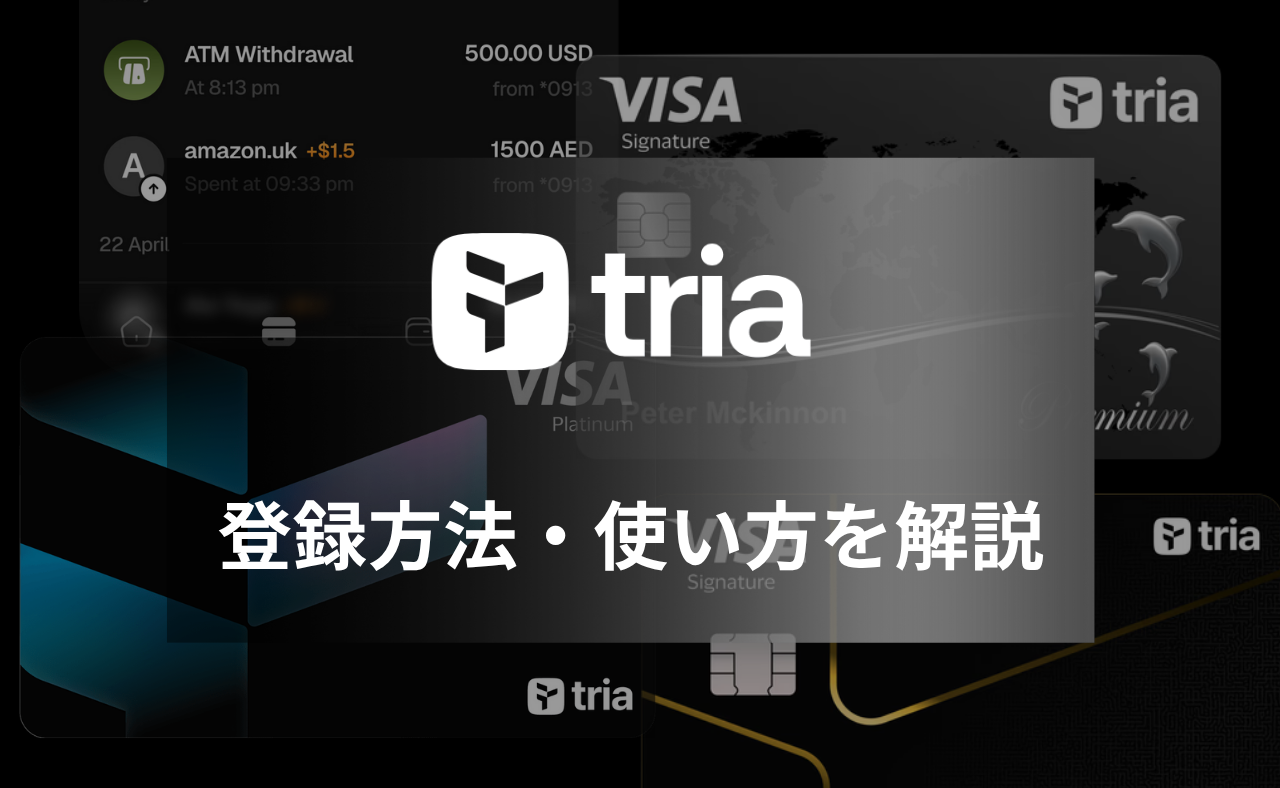
パラグアイの国営電力会社であるパラグアイ国家電力庁(ANDE)は、仮想通貨マイニング企業モーフウェア(Morphware)と覚書を締結。この提携により、国内の違法業者から押収された数千台のマイニング機器と同国の豊富な余剰水力発電を活用した政府主導のビットコインマイニングプログラムが始動します。 話題の記事 最大6%のキャッシュバック|仮想通貨クレジットカード「Tria」【早期割引中】 ビットコイン相続危機、永久紛失のリスクを避けるには 「ビットコインは2050年に1万ドル以下」ウィキペディア創設者 パラグアイはイタイプダムによる安価な電力を背景にマイニング拠点として注目されてきましたが、無許可の電力使用や不正な料金登録が相次ぎ当局による大規模な摘発が行われてきました。 モーフウェアのケンソ・トラビングCEOによると、政府の倉庫には押収された機器が天井まで積み上がっている状態であり今回のパイロットプログラムではそのうち1,500台をANDE管理下の施設に再配備します。 モーフウェアは技術アドバイザーとして既存の電力施設をマイニング拠点へ改修するための知見を提供し、ANDEのスタッフに運営やグリッド統合のトレーニングを実施します。この取り組みは安値で国外輸出されている余剰電力を国内で直接マネタイズし、国家収益へと転換することを目的としています。 マイニングされた仮想通貨の扱いについては政府内で議論が続いており、社会保障やインフラ整備のために即時売却する案や価格変動リスクを抑えながら保有する案などが検討されています。モーフウェアは過去のサイバー攻撃被害を背景に政府による直接保管を避け、米国の取引所での先物取引を用いたヘッジ戦略を推奨。このモデルが成功すれば、将来的に国家主導のデジタルインフラとして拡大する可能性があります。

ニュース
2026/03/05VisaとStripe、ステーブルコイン決済カードを100カ国以上へ拡大
決済大手のVisaとStripe傘下のBridgeは、ステーブルコイン決済に対応したカード発行プログラムを世界100カ国以上へ拡大する計画を発表しました。2025年の発表当初は中南米に焦点を当てていましたが、年内には欧州、アジア太平洋、アフリカ、中東へと展開を広げる予定です。 このステーブルコイン連携カードにより、利用者はメタマスクやファントム(Phantom)といった自己管理型ウォレット内の残高を直接使い日常的な買い物が可能になります。 話題の記事 最大6%のキャッシュバック|仮想通貨クレジットカード「Tria」【早期割引中】 ビットコイン相続危機、永久紛失のリスクを避けるには 「ビットコインは2050年に1万ドル以下」ウィキペディア創設者 Visaの仮想通貨責任者であるカイ・シェフィールド(Cuy Sheffield)氏は、ステーブルコインが決済プロセスにスピード、透明性、プログラム可能性をもたらすと強調。またBridgeの最高経営責任者であるザック・エイブラムス(Zach Abrams)氏は、この提携により独自のステーブルコインを発行する企業が自社のカードプログラムに組み込みやすくなると述べています。 Stripeは昨年Bridgeを11億ドルで買収して以降、仮想通貨関連の提供を急速に拡大しています。今年2月にはBridgeが米通貨監督庁(OCC)から国法銀行憲章の条件付き承認を取得し、仮想通貨の保管やステーブルコインの発行・準備金管理が可能になりました。 米国でのジーニアス法(GENIUS Act)可決を受け、伝統的金融機関によるステーブルコイン活用の動きが加速しています。 記事ソース:businesswire

ニュース
2026/03/05ビットコイン、7万ドルの壁で3度の反落
オンチェーン分析プラットフォームのGlassnodeは、ビットコイン価格において7万ドルの水準が強力なレジスタンス(上値抵抗線)として機能し続けているとの分析を公開しました。 🔄UPDATE: The $70k ceiling holds! Feb 19 → Feb 25 → Mar 03, 02:00 UTC. Each time the 12HR-SMA of Net Realized P&L spiked above $5M/hr, price stalled and reversed at the $69.4k range high. This region continues to cap every recovery attempt. The asymmetry reflects the… https://t.co/gvgxoU5tGi pic.twitter.com/qOMPjJKYIT — glassnode (@glassnode) March 3, 2026 ビットコインは2月19日、25日、そして3月3日の計3回、純実現損益(Net Realized P&L)の12時間移動平均が1時間あたり500万ドルを超える急増を記録しました。しかし、いずれの局面でも価格は6万9400ドルのレンジ高値付近で上値を抑えられ反落を余儀なくされています。 Glassnodeはこの価格帯が上昇局面におけるあらゆる回復の試みを抑え込んでいると指摘。このような価格推移の非対称性は、現在の需要構造の脆弱性を反映しています。 同社はこれら大規模な利益確定売りが価格の拒絶を引き起こすことなく吸収される状況にならない限り、7万ドルの大台は「サポート(床)」ではなく、依然として「レジスタンス(天井)」として機能し続けると結論付けています。 記事ソース:@glassnode
ニュース
2026/03/05米規制当局、予測市場に対する監視体制を強化へ
米国の規制当局が仮想通貨および予測市場に対する監視体制を一段と進展させていることが明らかになりました。 米国証券取引委員会(SEC)は特定の暗号資産に対する連邦証券法の適用に関する委員会レベルの指針をホワイトハウスに提出。この指針の導入により、規制の管轄権を明確化するための「トークン・タクソノミー(トークン分類法)」が新たに提示される可能性があるとみられています。 これはどの資産がSECの管轄下にあるのかという境界線をより具体的に定義することを目的としていると考えられます。 また米国商品先物取引委員会(CFTC)においても動きがあり、予測市場に関する措置をホワイトハウスの審査に向けて送付したとのことです。 米国の主要な規制当局であるSECとCFTCがそれぞれ仮想通貨市場と予測市場の規律を正すための具体的な指針をホワイトハウスへ提出したことで、今後の米国内における法整備や規制の枠組みがより強固になることが予想されます。 記事ソース:Bloomberg


 有料記事
有料記事